
Remember when we couldn’t imagine smartphones without physical buttons or headphone jacks? Fast forward to 2026, and the mobile landscape looks dramatically different. Obsolete smartphone features in 2026 have piled up faster than anyone predicted, thanks to revolutionary AI advancements, cloud computing breakthroughs, and radical design innovations. What once seemed essential now feels ancient. The smartphone in your pocket today is sleeker, smarter, and surprisingly simpler than its 2020 counterpart yet infinitely more powerful. This transformation isn’t just about removing features; it’s about reimagining what phones should be. Let’s explore which beloved features have quietly disappeared and discover what replaced them in this exciting new era.
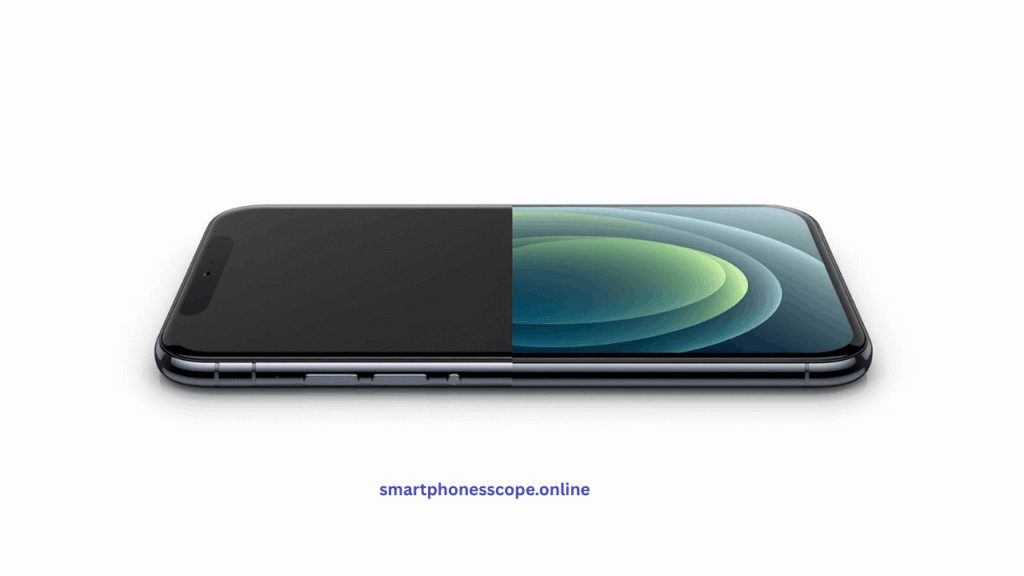
Why Smartphone Features Become Obsolete
The relentless march of technology waits for no one, and smartphones exemplify this truth perfectly. Features become obsolete through multiple converging forces that reshape user expectations and industry standards.
Technology advancement drives the primary change. When superior alternatives emerge like computational photography replacing multiple physical camera lenses older solutions quickly feel inadequate. Innovation doesn’t just improve existing features; it fundamentally reimagines how we accomplish tasks.
User behavior evolution plays an equally crucial role. Today’s consumers demand seamless experiences, instant connectivity, and minimal friction. They’ve embraced wireless ecosystems, cloud-first workflows, and gesture-based interactions that make traditional hardware solutions feel clunky and outdated.
Software replacing hardware represents perhaps the most significant shift. AI algorithms now accomplish what previously required dedicated sensors or components. Machine learning optimizes battery life, computational photography rivals professional cameras, and intelligent assistants anticipate user needs all through clever code rather than physical parts.
Slimmer design trends have become non-negotiable. Manufacturers compete fiercely to create thinner, lighter devices with larger screens and smaller bezels. This aesthetic evolution demands ruthless efficiency, forcing designers to eliminate anything that doesn’t justify its physical footprint. The result? Phones that feel premium, futuristic, and wonderfully minimal.
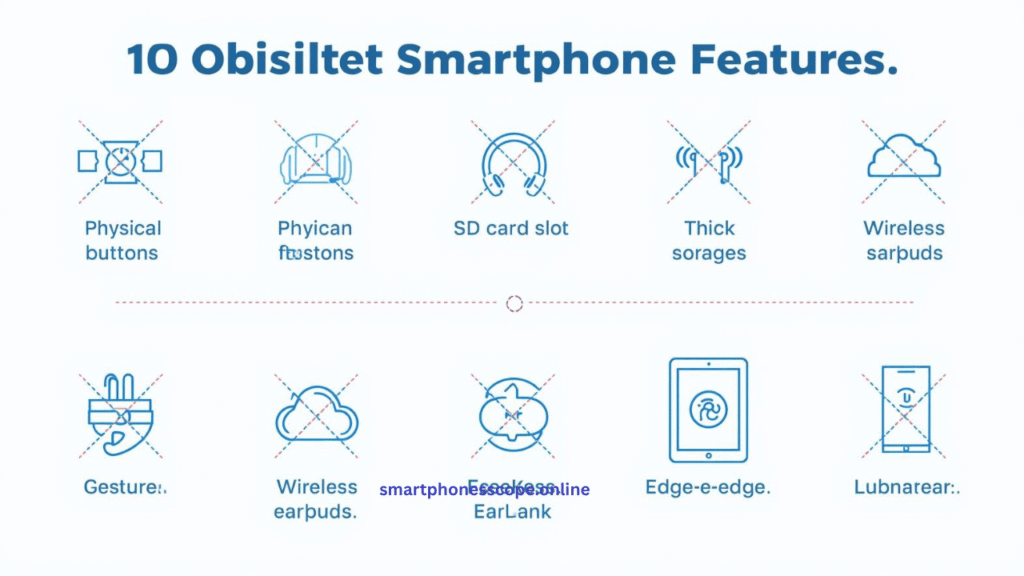
10 Obsolete Smartphone Features in 2026
1. Physical Home Button
The iconic physical home button once synonymous with smartphones themselves—has virtually vanished from modern devices. Gesture navigation has completely revolutionized how we interact with phones, offering intuitive swipe patterns that feel more natural than button presses ever did.
Full-screen displays drove this transformation. Manufacturers recognized that sacrificing screen real estate for a button made little sense when software gestures could accomplish the same tasks while maximizing display space. Users adapted remarkably quickly, finding gesture controls faster and more elegant.
Durability improved dramatically too. Mechanical buttons represented potential failure points wearing down after thousands of presses. Eliminating them created more robust devices that maintain their pristine condition longer. The transition felt jarring initially, but looking back, physical buttons seem primitive and unnecessarily limiting.
2. 3.5mm Headphone Jack
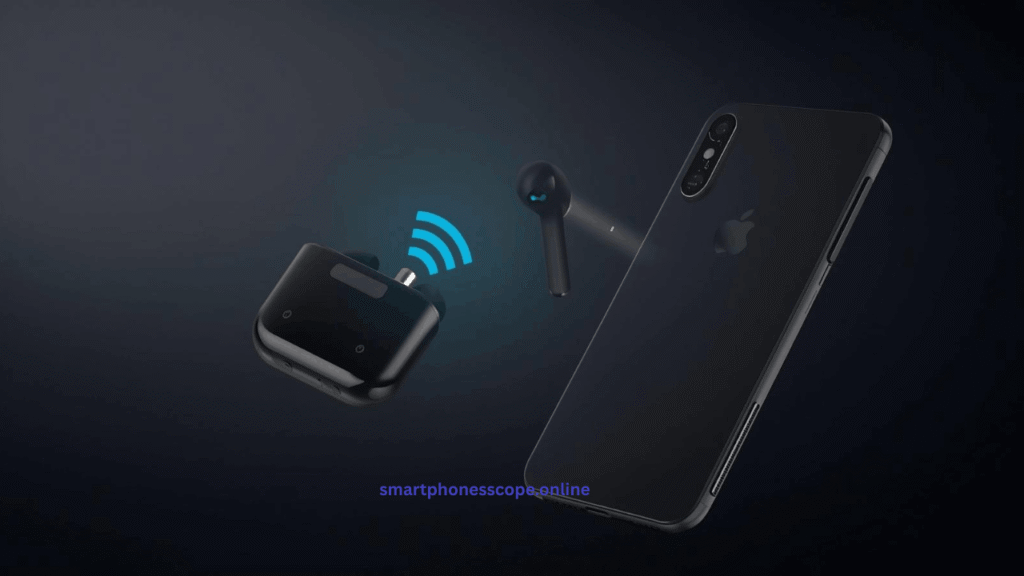
Perhaps no removal sparked more controversy than the headphone jack’s disappearance, yet by 2026, wireless earbuds dominance has silenced most critics. The convenience of truly wireless audio no tangled cables, seamless device switching, and incredible sound quality has won over even the staunchest wired headphone advocates.
Bluetooth technology’s maturation addressed earlier concerns. Modern codecs deliver lossless audio quality, latency has become imperceptible, and battery life extends for days. The wireless ecosystem offers features impossible with wired connections: adaptive noise cancellation, spatial audio, and automatic device detection.
For traditionalists, USB-C audio alternatives provide wired options without dedicating precious internal space to aging 3.5mm technology. Adapters exist, though few need them anymore. The audio future is undeniably wireless, and the transition feels complete and irreversible in 2026.
3. Dedicated Fingerprint Sensor on the Back
Remember awkwardly reaching for that circular sensor on your phone’s back? Those days are gone. In-display fingerprint sensors have become standard, using optical or ultrasonic technology to read prints through the screen itself. This integration feels magical—press your thumb anywhere on the designated screen area, and your phone unlocks instantly.
Face unlock and AI biometrics have advanced tremendously. Modern systems work in darkness, recognize you wearing masks or glasses, and adapt to gradual appearance changes. Machine learning makes authentication both more secure and more convenient than dedicated hardware sensors ever achieved.
The under-display solution saves space, improves aesthetics, and enhances water resistance. Back-mounted sensors created awkward ergonomics when phones sat on desks. Today’s biometric solutions feel thoughtfully designed around actual usage patterns rather than hardware limitations.
4. Expandable microSD Card Slots
The microSD card slot once considered essential for power users has become genuinely obsolete. Manufacturers now offer large internal storage options starting at 256GB and extending to 1TB or beyond. These capacities handle years of photos, videos, apps, and documents without breaking a sweat.
Cloud storage usage has exploded, fundamentally changing how we think about device storage. Services like Google Photos, iCloud, and OneDrive automatically back up content while freeing local space. Users access massive libraries without physically storing everything on their device.
Internal storage also delivers superior performance. SD cards created bottlenecks for app performance and complicated the user experience with confusing storage management. Modern unified storage is faster, more reliable, and infinitely simpler. The flexibility SD cards provided mattered when 16GB phones were common—but that world no longer exists.
5. Low Storage Variants (32GB / 64GB)
Speaking of storage, 32GB and 64GB variants have completely disappeared from serious smartphone lineups. Modern apps have grown substantially—games exceed 10GB, camera apps need processing space, and AI features require local model storage. These tiny capacities simply can’t handle 2026’s software ecosystem.
Minimum storage expectations have shifted dramatically. Entry-level phones now start at 128GB, with 256GB becoming the comfortable standard. Users shoot 4K videos, record spatial audio, and download Netflix libraries for travel. Anything less than 128GB feels like buying a sports car with a lawnmower engine.
The cost difference between storage tiers has narrowed considerably. Manufacturers discovered that offering inadequate storage created poor user experiences and support headaches. Better to provide sufficient space upfront than frustrate customers with “storage full” notifications within months of purchase.
6. Thick Phone Bezels
Chunky bezels surrounding screens look laughably dated in 2026. The industry has achieved edge-to-edge displays that maximize screen real estate while maintaining comfortable phone dimensions. Bezels exist only where absolutely necessary for structural integrity and speakers.
Punch-hole and under-display cameras solved the front camera dilemma elegantly. Early punch-holes felt like compromises, but users quickly stopped noticing them. Under-display camera technology has matured beautifully, with nearly invisible lenses that activate only when needed.
This design evolution makes phones feel more premium and futuristic. Picking up a 2020-era phone with its prominent forehead and chin bezels feels like handling ancient technology. The visual transformation alone justifies these design changes, even before considering the functional benefits of larger screens.
7. Separate Camera Modules for Basic Functions
The camera bump filled with multiple lenses has finally peaked and started shrinking. AI computational photography now accomplishes what once required dedicated ultra-wide, macro, or depth-sensing lenses. Machine learning algorithms create convincing portrait modes, impressive zooms, and stunning night shots using primarily the main sensor.
Software zoom improvements have advanced remarkably. Through multi-frame capture, AI upscaling, and clever processing, phones achieve 10x or even 50x zoom with just one or two physical lenses. Quality rivals or exceeds what clunky periscope mechanisms delivered just years ago.
This consolidation creates cleaner designs and more durable cameras. Fewer moving parts mean less that can break. The processing happens instantaneously—users simply point, shoot, and receive incredible results. Hardware-based solutions feel obsolete when software delivers superior outcomes without physical trade-offs.
8. Slow Charging Technology
Waiting hours for your phone to charge feels archaic in 2026. Fast charging has become standard across nearly all price points, with even budget phones offering 30W+ charging that fills batteries in under an hour. Premium devices push 100W or beyond, achieving full charges in 20-30 minutes.
Battery optimization advancements complement charging speeds. AI predicts usage patterns and manages charging curves to preserve battery health despite rapid power delivery. Phones learn when you typically wake up and complete charging just before then, minimizing time at 100% charge that degrades batteries.
Wireless charging has improved dramatically too. Modern Qi2 chargers deliver 30W+ wirelessly, approaching wired charging speeds. The convenience of dropping your phone on a pad without fumbling with cables has converted millions. Slow charging hasn’t just become obsolete—it’s virtually extinct.
9. Plastic Low-Quality Displays
Cheap plastic displays have disappeared from respectable smartphones. OLED and AMOLED technology has become mainstream, appearing even in budget devices. These screens deliver perfect blacks, incredible contrast, vivid colors, and superior viewing angles that plastic LCD panels could never match.
Better brightness and energy efficiency make modern displays usable in bright sunlight while conserving battery. OLED pixels emit their own light rather than requiring backlights, consuming less power when displaying dark content. This efficiency extends battery life noticeably.
The quality difference is immediately obvious. Plastic displays look washed out and lifeless beside modern OLED panels. Users who experience premium screens struggle to accept anything less. Market forces and manufacturing improvements have made quality displays accessible across price ranges—there’s simply no excuse for plastic screens anymore.
10. Physical SIM-Only Phones
The physical SIM card—a mobile industry constant for decades is finally fading away. eSIM adoption worldwide has accelerated dramatically, with most carriers supporting digital SIM provisioning. Apple led the charge by removing physical SIM slots entirely in many markets, and others are following.
Easier carrier switching makes eSIMs genuinely appealing. Users change providers instantly through software, without visiting stores or waiting for SIM cards to arrive. International travelers switch to local carriers in minutes, avoiding expensive roaming charges. The flexibility is genuinely liberating.
eSIMs also improve device design. Removing the SIM tray saves internal space and eliminates a potential water ingress point. Phones become more robust and leave room for larger batteries or additional features. Physical SIMs served admirably for years, but their time has clearly passed.
Features That Replaced These Old Technologies
The features we’ve lost didn’t simply disappear—superior alternatives emerged that fundamentally changed smartphone capabilities. Understanding these replacements reveals why old technologies became obsolete so quickly.
AI-powered software features represent the most significant transformation. Machine learning now handles tasks that previously required dedicated sensors or hardware components. Computational photography, intelligent battery management, predictive text, voice assistants, and adaptive displays all leverage AI to deliver experiences impossible through hardware alone. This software-first approach enables continuous improvement through updates rather than requiring new hardware.
Wireless ecosystems have matured beautifully. Bluetooth earbuds, wireless charging, AirDrop-style file sharing, and multi-device connectivity create seamless experiences that wired solutions never could. The convenience of walking away from your desk without disconnecting anything, or answering calls through earbuds that automatically connect, demonstrates why wireless became inevitable.
Cloud backups solved storage anxiety permanently. Automatic photo uploads, document syncing, and complete device backups mean users never fear losing data. This infrastructure enabled manufacturers to eliminate expandable storage cloud services provide unlimited capacity that no microSD card could match.
Smart battery management extends device longevity dramatically. AI learns usage patterns, optimizes background processes, and manages charging cycles to preserve battery health. These intelligent systems deliver all-day battery life without massive physical batteries, allowing slimmer designs.
Are These Features Completely Dead?
While flagships have abandoned these features completely, declaring them universally dead oversimplifies the situation. Budget phones still employ older technology out of cost necessity. Ultra-cheap devices in developing markets might retain headphone jacks, physical fingerprint sensors, or microSD slots because these solutions cost less than modern alternatives.
Some users genuinely prefer older features and their preferences deserve acknowledgment. Audio enthusiasts argue wired headphones deliver superior sound quality. Photographers appreciate removable storage for managing massive RAW files. Privacy advocates prefer physical biometric sensors over face recognition. These users exist, even if they represent shrinking minorities.
Regional market differences create varied feature landscapes. Countries with limited cloud infrastructure rely more heavily on local storage. Markets with expensive wireless earbuds maintain headphone jack demand. eSIM adoption varies wildly by region based on carrier support and regulatory environments.
However, trends point unmistakably toward these features’ extinction. Each year, fewer phones include them. Manufacturers dropping legacy features rarely reverse course. While pockets of demand persist, calling these features “endangered” rather than “extinct” seems most accurate—with extinction approaching rapidly.
What Smartphone Features Matter Most in 2026
Understanding what no longer matters helps identify what does. Modern smartphone priorities have shifted dramatically, reflecting evolved user needs and technological capabilities.
AI integration tops every list. Smart assistants that genuinely understand context, cameras that capture impossible shots, battery management that learns your routine, and predictive features that anticipate needs AI permeates every valuable smartphone function. Devices without sophisticated AI feel incomplete and outdated.
Battery efficiency matters more than raw capacity. All-day battery life is expected, but achieving it efficiently through intelligent management and fast charging proves more valuable than simply cramming larger batteries into phones. Users want reliability without thickness or weight penalties.
Camera software has become the differentiator. Hardware reached diminishing returns—computational photography now determines image quality. Google’s Pixel phones often outperform phones with superior camera hardware purely through software excellence. Buyers increasingly recognize this reality.
Long software updates dramatically affect device longevity and value. Manufacturers now promise 7+ years of updates, making phones viable far longer. This commitment to software support matters immensely to environmentally conscious consumers and budget-minded buyers who stretch upgrade cycles.
Security and privacy have emerged as critical concerns. Biometric authentication, encrypted storage, privacy dashboards, and permission systems determine whether users feel safe. Data breaches and privacy scandals made these features essential rather than optional.
Future Smartphone Design Trends (2026-2028)
Looking ahead, several trends will further transform smartphone design and functionality, making today’s devices seem dated within just a few years.
Portless phones represent the next major design evolution. Completely sealed devices without any physical ports offer superior water resistance and cleaner aesthetics. Wireless charging, data transfer, and accessories eliminate port necessity. Apple and Samsung are testing these designs now, with broader adoption expected by 2027-2028.
Under-display cameras will finally achieve quality matching traditional front cameras. Early implementations compromised image quality, but rapid improvements are delivering excellent results. Imagine completely uninterrupted displays without punch-holes or notches that future arrives soon.
Satellite connectivity is expanding beyond emergency features. Two-way messaging, location sharing, and eventually voice calls through satellite networks will provide coverage anywhere on Earth. This technology democratizes communication in remote areas and provides critical safety capabilities.
AI personal assistants will evolve from reactive tools to proactive partners. Imagine assistants that manage your schedule, handle routine communications, research purchases, and anticipate needs before you articulate them. This level of intelligence will make smartphones feel truly smart rather than merely powerful.
The trajectory is clear: phones are becoming simpler hardware vessels for increasingly sophisticated software experiences. The best features are those users never notice—they just work, elegantly and invisibly.
Comparison: Old Features vs Modern Replacements
| Obsolete Feature | Modern Replacement | Key Benefits |
|---|---|---|
| Physical Home Button | Gesture Navigation | More screen space, better durability, intuitive control |
| 3.5mm Headphone Jack | Wireless Earbuds / USB-C Audio | Tangle-free, advanced features, better water resistance |
| Back Fingerprint Sensor | In-Display / Face Unlock | Cleaner design, works on tables, adaptive security |
| microSD Card Slot | 256GB+ Internal Storage + Cloud | Faster performance, simpler management, unlimited cloud capacity |
| 32GB/64GB Storage | 128GB Minimum Standard | Handles modern apps, ample space for media and files |
| Thick Bezels | Edge-to-Edge Displays | Immersive viewing, premium appearance, larger screens |
| Multiple Camera Lenses | AI Computational Photography | Fewer moving parts, superior results, continuous improvements |
| Slow Charging | 65W+ Fast Charging | Full charge in 30-45 minutes, convenience for busy lives |
| Plastic LCD Displays | OLED/AMOLED Panels | Perfect blacks, energy efficiency, stunning colors |
| Physical SIM Cards | eSIM Technology | Instant carrier switching, international flexibility, robust design |
FAQs
Why are headphone jacks disappearing?
Wireless earbuds offer superior convenience, manufacturers save internal space for bigger batteries, and Bluetooth audio quality now rivals wired connections.
Are SD cards still useful in 2026?
Not for most users phones offer 256GB+ storage, cloud services provide unlimited backup, and internal storage performs better than SD cards.
Is eSIM better than physical SIM?
Yes for flexibility instant carrier switching, easy international use, and improved water resistance outweigh any advantages of physical SIMs.
Do modern phones still need fingerprint sensors?
Yes, but integrated into displays rather than dedicated hardware they provide faster unlocking than face recognition in many situations.
What features should buyers focus on today?
AI capabilities, camera software quality, battery efficiency, update commitments, and display technology matter most in 2026.
Can I still buy phones with headphone jacks?
Some budget models include them, but flagship phones universally abandoned headphone jacks—the trend is irreversible.
How long will phones with physical SIMs remain available?
A few more years in some markets, but major manufacturers are phasing them out rapidly eSIM is the clear future.
Why did thick bezels disappear?
Consumers demanded larger screens without bigger phones eliminating bezels maximized display area while maintaining comfortable sizes.
Are budget phones abandoning these features too?
Gradually yes as manufacturing costs decrease, even affordable phones adopt modern designs and drop legacy features.
What’s the biggest advantage of ditching old features?
Simpler, more durable designs with better water resistance, larger batteries, and room for innovative new capabilities.
Will any removed features make a comeback?
Highly unlikely once superior alternatives gain adoption, returning to inferior solutions makes no business or engineering sense.
How do I choose a future-proof phone in 2026?
Focus on AI integration, update commitments, storage capacity, and camera software rather than specific hardware specifications.
Are wireless chargers worth it?
Absolutely modern wireless charging approaches wired speeds while offering unmatched convenience for daily use.
Do I need a phone with 1TB storage?
Most users don’t 256GB handles typical needs comfortably, with cloud services managing overflow seamlessly.
What smartphone innovation excites you most for 2027-2028?
Portless designs, under-display cameras, and truly proactive AI assistants will transform how we interact with phones completely.
Conclusion
The smartphone evolution from 2020 to 2026 has been nothing short of remarkable. Obsolete smartphone features that once defined entire product categories have disappeared almost completely, replaced by superior alternatives that deliver better experiences with less complexity. The pattern is unmistakable: hardware minimizes while software capabilities maximize.
Physical buttons, ports, and removable storage felt essential until elegant software solutions proved otherwise. Wireless ecosystems, cloud services, and AI-powered features don’t just replace old hardware—they fundamentally reimagine what phones can accomplish. This transformation continues accelerating, with portless designs and invisible cameras arriving soon.
For 2026 buyers, the message is clear: focus on software excellence, AI integration, and manufacturer commitment to updates rather than specific hardware features. The phones that age best are those with powerful processors running sophisticated software that improves over time, not those with the most camera lenses or physical ports.
The future belongs to devices that disappear into our lives seamlessly—powerful yet simple, capable yet intuitive, packed with technology yet wonderfully minimalist. We’re not losing features; we’re gaining elegance, durability, and experiences that previous generations couldn’t imagine. That’s genuine progress worth celebrating