
In the rapidly evolving smartphone brand customer trust rankings 2025/2026, one thing is crystal clear consumer confidence is no longer just about specs or price tags. It’s about how a brand makes you feel, how reliably it delivers, and whether you’d proudly recommend it to a friend. This article breaks down the most trusted smartphone brands globally, backed by real survey data, loyalty scores, and regional insights that matter to real buyers.
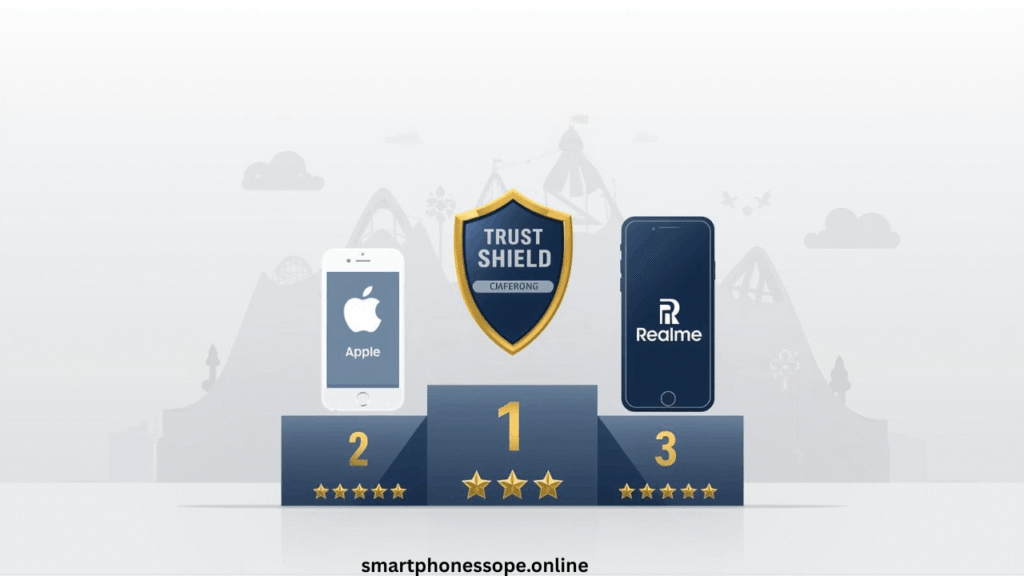
What Is “Brand Trust” in the Smartphone Market?
Brand trust in smartphones refers to the level of confidence consumers place in a brand across multiple dimensions:
- Product quality & durability — Does the phone last?
- After-sales support — Is help available when something goes wrong?
- Value for money — Does the price feel justified?
- Software updates — Does the brand keep devices secure and current?
- Recommendation likelihood — Would you suggest it to someone you care about?
Trust is not a single metric. It is a composite feeling built over time through consistent experiences. In 2025 and 2026, brands that have managed to earn and sustain this trust are reaping massive rewards in loyalty, word-of-mouth, and market growth.
Why Brand Trust Matters More Than Ever in 2025-2026
The smartphone market has matured. Consumers are no longer dazzled by minor camera upgrades. They are smarter, more informed, and emotionally invested in the brands they choose. Trust directly influences:
- Purchase decisions — Shoppers gravitate toward brands they feel safe with.
- Repeat purchases — A trusted brand earns the next upgrade automatically.
- Word-of-mouth advocacy — Loyal, trusting customers become unpaid brand ambassadors.
- Brand resilience — Trusted brands recover faster from product failures or controversies.
When a brand breaks trust through poor updates, bad support, or misleading marketing consumers don’t just leave quietly. They share their frustration loudly. In 2025, digital word-of-mouth is more powerful than any advertisement.
Global Brand Trust Rankings: The Big Picture
Samsung – A Consistently Trusted Global Brand
According to YouGov’s Best Global Brands 2025 and 2026 reports, Samsung ranks among the most trusted brands globally — not just in tech, but across all brand categories. Its trust scores are strong in four key areas: quality perception, customer satisfaction, brand reputation, and recommendation intent.
In Australia, Samsung was awarded for high customer satisfaction in 2026, reflecting its ability to maintain trust even in competitive, brand-conscious markets.
Samsung’s trust is broad. It spans age groups, income levels, and geographies making it one of the most universally respected smartphone brands on earth.
Apple – Emotional Trust at Its Strongest
Apple’s trust story is deeply emotional. According to Roy Morgan research in Australia, Apple is recognized as one of the most highly trusted technology brands in the country. Globally, Apple’s brand identity is built on an almost religious level of loyalty and confidence.
Apple doesn’t just sell phones. It sells a lifestyle, a promise, and an ecosystem. Consumers who trust Apple tend to trust it completely across iPhones, MacBooks, iPads, and services. This ecosystem lock-in is both a product of trust and a reinforcer of it.
Smartphone-Specific Trust & Satisfaction Surveys (2026)
realme – The Youth Trust Champion with NPS 81
Here’s a result that surprised many analysts: realme emerged as the most popular and trusted smartphone brand among youth in the 2026 CMR Consumer Insight Survey, achieving an extraordinary Net Promoter Score (NPS) of 81.
What is NPS? Net Promoter Score measures how likely customers are to recommend a brand to others. Scores above 70 are considered “excellent.” A score of 81 places realme in the elite tier of consumer advocacy meaning the vast majority of its users are active promoters.
This is significant. realme’s trust isn’t built on legacy or price alone it’s built on genuine satisfaction and grassroots recommendation, especially among Gen Z and millennial consumers in South and Southeast Asia.
Brand Loyalty as a Measure of Deep Trust
Loyalty is perhaps the purest indicator of trust. A consumer who keeps coming back, again and again, is a consumer who believes in the brand. Here’s how the top brands compare in 2026:
| Brand | Loyalty Rate (2026) | Trust Signal |
|---|---|---|
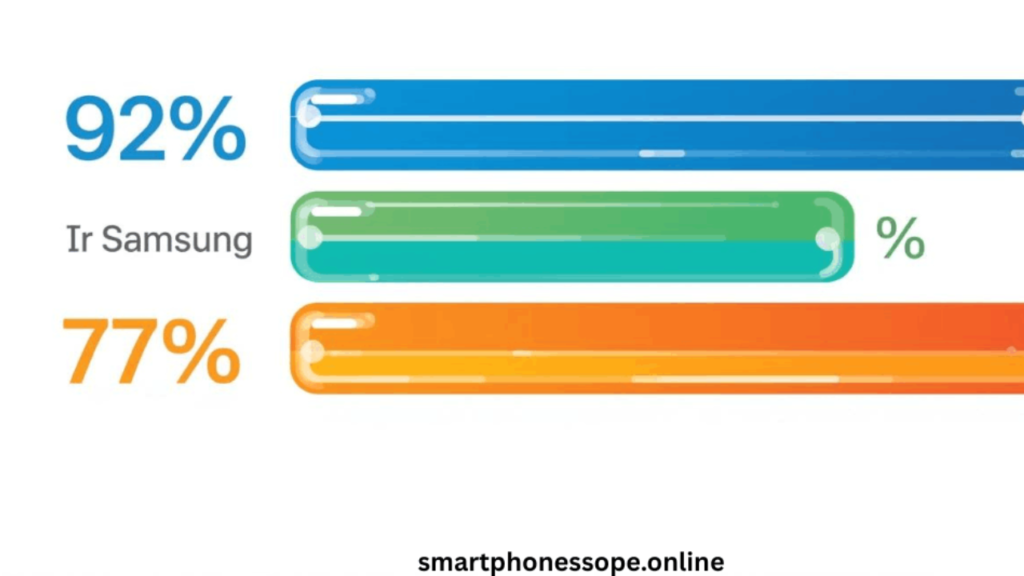
| Apple | ~89–92% | Exceptionally high — near-cult loyalty |
| Samsung | ~77% | Improving — growing long-term trust |
| Google (Pixel) | ~58% | Moderate — niche but dedicated |
| Xiaomi | ~55% | Region-dependent loyalty |
| Motorola | ~52% | Budget-friendly but lower retention |
| realme | Growing | Strong NPS, rising brand advocacy |
Apple’s Loyalty: The Gold Standard
Apple’s loyalty rate of 89–92% in 2026 is extraordinary in any industry. This means nearly 9 out of 10 iPhone users choose Apple again when upgrading. This level of retention speaks volumes about the depth of emotional trust Apple has built through seamless user experience, premium design, and reliable performance.
Samsung’s Rising Loyalty
Samsung’s loyalty rate of approximately 77% in 2026 signals a positive trend. After facing stiff competition from Chinese brands, Samsung has steadily rebuilt consumer confidence through flagship innovations (Galaxy S and Z series), improved software support policies, and competitive pricing in mid-range segments. Consumers are beginning to trust Samsung not just for one purchase but for the long term.
Market Share vs. Brand Trust: Are They the Same Thing?
Not exactly but they are connected.
Apple’s Market Leadership
Apple led global smartphone shipments in 2025 with approximately 20% market share. Being the world’s best-selling smartphone brand reinforces consumer perception of quality and reliability. When millions of people choose the same brand, social proof kicks in and trust grows.
Samsung, Xiaomi & Others
Samsung followed closely at approximately 19% global market share, while Xiaomi held the third spot. However, market share alone doesn’t equal trust:
- Xiaomi has large market share but trust scores vary dramatically by region. In India and Southeast Asia, Xiaomi is trusted for value. In Europe, brand perception is more mixed.
- Google Pixel has a small but intensely loyal user base proof that niche trust can be as powerful as mass-market trust.
The relationship between market share and trust is bidirectional: trust drives sales, and sales reinforce trust.
Regional Trust Differences: Where Each Brand Wins
Consumer trust is not uniform. It varies dramatically by geography, demographics, and cultural values.
Asia-Pacific
- realme dominates youth trust in India, with a strong NPS and high recommendation rates. Its affordability and feature-rich offerings make it the go-to trusted brand for first-time smartphone buyers.
- Samsung performs strongly across Southeast Asia trusted for reliability and premium design.
- Xiaomi maintains solid trust in price-sensitive markets like India and Vietnam.
Australia
- Apple and Samsung both score highly in trust and satisfaction surveys, with Samsung earning specific recognition in 2026.
- Brand trust here is closely tied to after-sales support, retail presence, and software longevity.
Europe & North America
- Apple dominates trust rankings, particularly among premium buyers.
- Samsung competes closely, especially in the mid-to-high range.
- Google Pixel earns niche trust for its clean Android experience and fast updates.
Key Factors That Drive Smartphone Brand Trust
1. Product Quality & Durability
Consumers trust brands whose devices last. Phones that crack easily, overheat, or slow down within a year destroy trust rapidly. Apple and Samsung lead here due to rigorous quality control and premium materials.
2. After-Sales Support & Software Updates
Brands that promise and deliver long-term software support earn significantly more trust. Apple’s 5–6 year iOS update cycle and Samsung’s pledge of 7 years of updates (Galaxy S24 series) are powerful trust signals.
3. Value for Money
Trust isn’t reserved for premium brands. realme and Xiaomi have built substantial trust by delivering exceptional value at accessible prices making consumers feel respected, not exploited.
4. Ecosystem Integration
Apple’s ecosystem (iPhone + Mac + iPad + Apple Watch + iCloud) creates a web of interconnected trust. Once inside, users feel understood and supported at every touchpoint.
5. Brand Reputation & Social Proof
Word-of-mouth, online reviews, and influencer recommendations all shape trust. A brand with an NPS of 81 (like realme) has an army of advocates doing its marketing organically.
Summary Comparison Table
| Brand | Trust / Satisfaction Level | Loyalty (2026) | Market Share (2025) | NPS / Advocacy |
|---|---|---|---|---|
| Apple | Very High — premium trust, emotional connection | ~89–92% | ~20% (#1) | Extremely high |
| Samsung | High — global recognition, improving loyalty | ~77% | ~19% (#2) | High |
| realme | High among youth — NPS 81 in CMR Survey | Growing fast | Expanding | NPS 81 (Excellent) |
| Xiaomi | Moderate — region-dependent trust | ~55% | #3 globally | Moderate |
| Google Pixel | Niche but passionate trust | ~58% | Small share | High among users |
| Motorola | Budget trust — moderate satisfaction | ~52% | Varies | Moderate |
Conclusion: Trust Is the New Currency in the Smartphone Market
The smartphone brand customer trust rankings for 2025 and 2026 reveal a powerful truth: in a world of near-identical specifications, trust is the ultimate differentiator.
- Apple leads in emotional trust, ecosystem loyalty, and premium brand confidence — with loyalty rates touching 92%.
- Samsung holds strong global trust backed by quality, and its loyalty scores are climbing steadily.
- realme has emerged as the most trusted youth brand, with an NPS of 81 that puts it among the world’s most recommended smartphone brands.
- Xiaomi and Google hold meaningful trust in specific segments and regions.
For consumers, choosing a smartphone brand is no longer just a technical decision it is a statement of who you trust. For brands, earning that trust means delivering on promises consistently, supporting customers long after the sale, and building genuine relationships rather than just transactions.
The brands that invest in trust today will own the market tomorrow.

FAQ
Q1: Which smartphone brand is most trusted globally in 2025–2026?
Apple and Samsung are the most globally recognized trusted brands, with Apple scoring highest in loyalty.
Q2: What is NPS and why does it matter for brand trust?
NPS (Net Promoter Score) measures how likely users are to recommend a brand. A higher score means stronger trust and advocacy.
Q3: Which brand has the highest NPS among smartphones?
realme achieved an NPS of 81 in the 2026 CMR Consumer Insight Survey — the highest recorded among smartphone brands in that study.
Q4: Does market share equal brand trust?
Not always. A brand can have high market share but varying trust by region, and vice versa.
Q5: Why is Apple’s loyalty rate so high?
Apple’s ecosystem, consistent software updates, premium quality, and strong customer experience create deep emotional trust and retention.
Q6: Which brand is most trusted among youth?
realme ranks highest among youth, particularly in South Asia, with strong advocacy and satisfaction scores.
Q7: Is Samsung trusted more than Apple?
Globally, both rank at the top, but Apple edges ahead in loyalty metrics, while Samsung leads in breadth of market trust.
Q8: How does software support affect brand trust?
Long-term software updates signal commitment to the consumer — brands like Apple and Samsung that offer 5–7 year updates earn significantly more trust.
Q9: Which region trusts realme the most?
India and South/Southeast Asia, particularly among young, first-time, and value-conscious smartphone buyers.
Q10: What makes consumers switch brands?
Poor after-sales support, lack of updates, product quality issues, and better value from competitors are the top reasons for brand switching.
Q11: Is Google Pixel a trusted brand?
Yes within its niche. Pixel users are intensely loyal and trust the brand for clean Android software and fast security updates.
Q12: How does ecosystem affect trust?
Brands with strong ecosystems (like Apple) create multiple touchpoints of positive experience, deepening trust with every device interaction.
Q13: Is Xiaomi trusted in Europe?
Xiaomi’s trust in Europe is improving but remains mixed compared to its very strong trust in Asia.
Q14: What role do reviews play in smartphone trust?
User reviews and word-of-mouth are among the strongest trust signals which is why a high NPS like realme’s is extremely valuable.
Q15: Will trust rankings change by 2027
? Likely yes. Brands investing in AI features, longer software support, and better customer service will move up. Trust is dynamic, not static.