
The best smartphone brand for long-term use is the single most important question any smart buyer should ask before spending their hard-earned money in 2026. Smartphone prices have reached genuinely shocking levels flagship devices from Apple, Samsung, and Google now routinely cost $1,000 to $1,400 and consumers everywhere are making a simple, powerful calculation: if I am spending this much money, I want this phone to last.
The days of upgrading every two years are fading fast. Economic pressures, rising device costs, and growing environmental consciousness have fundamentally changed how people think about smartphone ownership. Today’s most informed buyers are not asking “what is the best phone right now?” they are asking “which phone will still perform brilliantly in 2029 or 2030?” That is an entirely different and far more important question.
The answer depends on three critical pillars: software update longevity, hardware durability, and ecosystem support. A phone with breathtaking specifications but only two years of software updates is not a smart long-term investment it is an expensive short-term rental. A phone with modest specs but seven years of guaranteed updates and a robust repair ecosystem is a genuinely wise purchase that protects your investment for the long haul.
This comprehensive guide cuts through the marketing noise and gives you the honest, data-driven truth about which smartphone brands are truly built to last in 2026 — and which ones will leave you disappointed far sooner than you expected.
What Makes a Smartphone Good for Long-Term Use?
Before naming the best brands, it is essential to understand exactly what separates a genuinely long-lasting smartphone from one that merely appears durable on a spec sheet. Four core factors determine real-world longevity and every smart buyer should evaluate all four before committing to a purchase.
Long Software Update Support
Software updates are the single most important long-term value factor in the modern smartphone market. An operating system update is not just about exciting new features it is about critical security patches that protect your personal and financial data from an ever-evolving landscape of cyber threats. A phone that stops receiving security updates becomes genuinely dangerous to use for banking, shopping, and communication.
The industry standard for software support has improved dramatically in recent years. Brands now offering five to seven years of guaranteed OS and security updates represent a seismic shift from the two-to-three year windows that were standard just five years ago. Apple has historically led this category, consistently supporting iPhones for six to seven years. Samsung and Google have now matched this commitment on their flagship devices. This extended support means your phone remains secure, functional, and compatible with modern apps far longer making it a genuinely better long-term investment.
Smartphone software update support comparison showing Apple Samsung and Google Pixel 7 year update commitments in 2026
Build Quality and Hardware Durability
Software support means nothing if the hardware fails first. The best long-term smartphones are built with premium materials that resist the physical abuse of daily life precision-machined aluminum and titanium frames that survive drops without bending, Corning Gorilla Glass Victus or ceramic-reinforced displays that resist scratches and shatters, and IP68 water and dust resistance ratings that protect against the spills, rain, and splashes that are an inevitable part of everyday use.
IP68 certification meaning the device can survive submersion in up to 1.5 meters of water for 30 minutes has become a non-negotiable requirement for any phone you expect to use for five or more years. Devices without meaningful water resistance are simply too vulnerable to the random accidents of daily life to be considered truly long-term investments.
Battery Health and Performance Stability
Battery degradation is the most common reason people feel compelled to replace a perfectly functional smartphone. Efficient chipset design — Apple’s A-series and Samsung’s latest Exynos and Snapdragon implementations significantly reduces the power draw that accelerates battery wear. Battery optimization systems that intelligently manage charging patterns, cap charge levels overnight, and reduce heat during charging can meaningfully extend battery health over years of daily use.
The best long-term phones also maintain their performance stability as they age — resisting the slowdowns that plague poorly optimized devices as storage fills and software grows more demanding. This requires tight integration between hardware and software, which is why Apple’s vertically integrated approach has historically produced the most consistent long-term performance of any smartphone platform.
Ecosystem and After-Sales Support
A smartphone that cannot be repaired when something goes wrong is a time bomb with a beautiful display. Repair availability including accessible authorized service centers, reasonable repair costs, and available spare parts is a critical long-term value factor that most buyers dangerously overlook at the point of purchase. Accessories and service center density in your region directly affect how practical and affordable it is to keep your phone running at its best for years.
Top Smartphone Brands for Long-Term Use in 2026
Apple iPhone -Best Overall Longevity
Apple iPhone is the undisputed champion of smartphone longevity in 2026, and it has earned this title through consistent, decade-long commitment to long-term user support that no competitor has yet matched in practice. The average iPhone receives six to seven years of full iOS updates meaning an iPhone purchased today will still receive major operating system upgrades and critical security patches well into 2031 or 2032.
What makes Apple’s longevity advantage truly extraordinary is not just the length of its support window it is the quality of performance maintained throughout that window. iPhones running the latest iOS on five-year-old hardware feel remarkably fluid and capable, a testament to Apple’s unmatched ability to optimize software for its own silicon. The A-series chips powering current iPhones are so powerful that they remain competitive with flagship Android processors years after their introduction.
Apple’s high resale value provides additional long-term financial protection iPhones retain their value better than virtually any other smartphone brand, meaning that when you eventually do upgrade, your old iPhone still commands a meaningful price. And Apple’s ecosystem integration seamless connectivity between iPhone, Mac, iPad, Apple Watch, and AirPods creates a deeply satisfying daily experience that actually improves over time as the ecosystem evolves.
💡 Key Insight: An iPhone is not just a smartphone purchase it is a long-term technology investment that protects your money, your data, and your daily experience for years longer than almost any alternative.
Best for: Users who want the absolute longest, most reliable smartphone lifespan with minimal complexity and maximum security.
Samsung -Best Android Brand for Long-Term Support
Samsung has made the most dramatic and impressive commitment to long-term support of any Android manufacturer, and the results are genuinely transforming its reputation among informed buyers. Samsung’s flagship Galaxy S and Z series devices now receive a remarkable seven years of OS updates and seven years of security patches matching Apple’s support window and setting a new standard for the Android ecosystem.
Samsung’s durable flagship hardware featuring aerospace-grade aluminum frames, Corning Gorilla Glass Armor displays, and IP68 water resistance is built to withstand years of daily use. Samsung’s global service network, the most extensive of any Android manufacturer, ensures that repairs and support are accessible virtually anywhere in the world. And Samsung’s wide price range from premium Galaxy S Ultra devices to more accessible Galaxy A series mid-rangers means that long-term support is increasingly available at multiple price points, not just at the flagship level.
💡 Key Insight: Samsung’s seven-year update commitment on flagship devices has fundamentally changed the Android long-term value calculation making Galaxy S series phones a genuinely compelling alternative to iPhone for longevity-focused buyers.
Best for: Android users who want maximum software longevity, global service availability, and the flexibility of a wide product range.
Google Pixel – Best Software Experience for Longevity
Google Pixel offers the most exciting and pure long-term software experience in the Android world, backed by a guaranteed seven years of OS updates, security patches, and feature drops on Pixel 8 and newer devices. As the creator of Android, Google has a unique and powerful advantage: Pixel devices receive updates first, directly from the source, without the delays imposed by manufacturer customization layers.
The clean, bloatware-free Android experience on Pixel devices ages exceptionally well there is no heavy manufacturer skin to slow things down or clutter the interface with unwanted features. Google’s aggressive integration of on-device AI features through the Google Tensor chip — means that Pixel devices actually become more capable over time as AI features improve through software updates, rather than becoming less relevant as hardware ages.
Best for: Users who prioritize a pure, fast, and private Android experience with the longest guaranteed software support and exceptional camera quality throughout the device’s life.
OnePlus – Best Value Long-Term Android
OnePlus delivers a compelling long-term value proposition for performance-focused buyers who cannot justify flagship prices. OnePlus flagship devices now receive approximately four major OS updates and six years of security patches a meaningful improvement over its historical support record and a genuinely competitive offering for users planning four to five year ownership cycles.
OnePlus’s OxygenOS software remains one of the smoothest and most responsive Android experiences available, maintaining its fluid performance exceptionally well as the device ages. The brand’s fast charging leadership with speeds exceeding 100W on flagship models — means that even as battery capacity gradually degrades over years of use, recharging remains fast and convenient. And OnePlus’s strong price-to-performance ratio means buyers get more capable hardware for their money, providing a larger performance buffer as the device ages.
Best for: Performance-focused users seeking flagship-level speed and a smooth long-term experience at a more accessible price point.
Xiaomi, OPPO, and Vivo -Good but Mid-Level Longevity
Xiaomi, OPPO, and Vivo all offer compelling hardware and strong value, but their long-term support commitments remain more modest than the leaders. These brands typically provide four to five years of combined OS and security updates on their flagship devices — adequate for users planning three to four year ownership cycles, but falling short for those seeking truly long-term investments.
All three brands produce excellent hardware with strong build quality and capable cameras, making them solid choices for users who are realistic about replacing their phone within four years. However, buyers planning five-plus year usage should look carefully at update commitments before purchasing from these brands.
Best for: Users comfortable with three to four year ownership cycles who prioritize hardware value over maximum software longevity.
Smartphone Brands Ranked by Long-Term Support (2026)
| Rank | Brand | Average Support | Long-Term Score | Best For |
|---|---|---|---|---|
| 1 | Apple | 6–7 Years | ⭐⭐⭐⭐⭐ | Overall longevity |
| 2 | Samsung | Up to 7 Years | ⭐⭐⭐⭐⭐ | Android reliability |
| 3 | Google Pixel | 7 Years | ⭐⭐⭐⭐⭐ | Software experience |
| 4 | OnePlus | 5–6 Years | ⭐⭐⭐⭐ | Value performance |
| 5 | Xiaomi/OPPO/Vivo | 4–5 Years | ⭐⭐⭐ | 3–4 year plans |
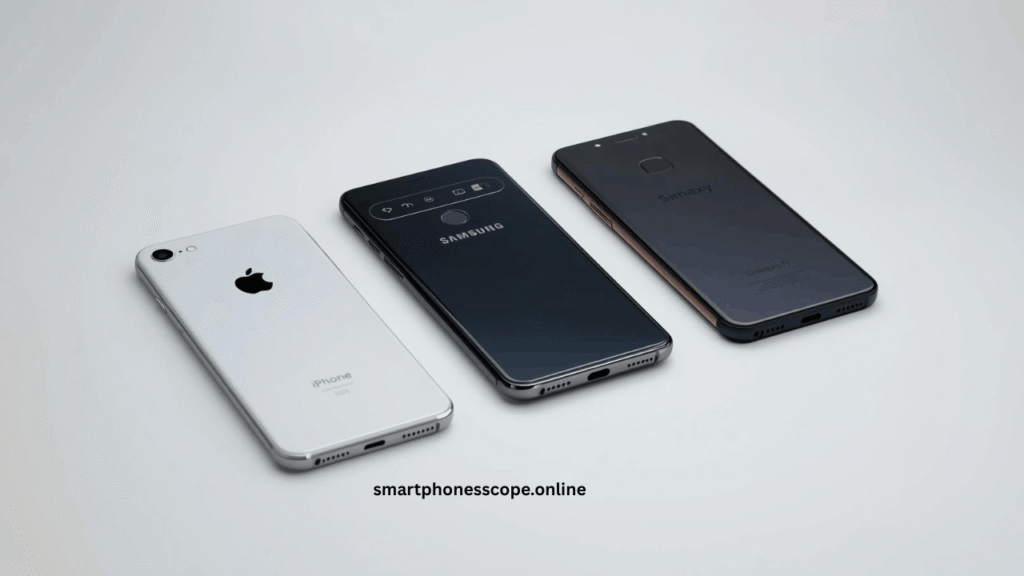
Android vs iPhone – Which Lasts Longer?
This is the most debated question in the smartphone longevity conversation — and the honest answer is more nuanced than either side typically admits. iPhones have historically lasted longer in real-world use due to Apple’s tight hardware-software integration, which allows iOS to run smoothly on older hardware far longer than Android typically manages. Apple’s A-series chips are so powerful and efficiently designed that five-year-old iPhones still feel genuinely capable for everyday tasks.
However, Android is catching up rapidly and meaningfully. Samsung and Google’s seven-year update commitments now match Apple’s support window on paper and the real-world performance of modern Android devices on aging hardware has improved dramatically. The practical difference in longevity between a current flagship iPhone and a current flagship Galaxy S or Pixel is now smaller than at any previous point in smartphone history.
The choice ultimately depends on ecosystem preference. If you use a Mac, iPad, or Apple Watch, iPhone’s ecosystem integration makes it the obviously superior long-term choice. If you prefer Android’s flexibility, customization, and Google services integration, Samsung or Pixel now offer genuinely competitive long-term value.
How to Choose a Phone That Will Last 5+ Years
Making a smart five-plus year smartphone investment requires disciplined decision-making at the point of purchase. Always buy flagship or upper mid-range entry-level devices are built to lower tolerances and receive shorter support windows that make truly long-term use impractical. Demand a minimum four-year update policy from any brand you consider — and verify that the brand has actually honored past commitments, not just announced them.
Avoid entry-level models regardless of how attractive their price points appear the hardware compromises made at entry level (slower processors, smaller batteries, weaker build materials) compound painfully over years of use. And critically, check battery replacement availability and cost in your region before purchasing — a phone whose battery cannot be economically replaced at year three or four has a fundamentally limited practical lifespan.
Mistakes That Reduce Smartphone Lifespan
Even the most durable, well-supported smartphone can be prematurely aged by avoidable user mistakes. Using cheap third-party chargers is perhaps the most damaging unregulated voltage and current delivery accelerates battery degradation and can damage charging circuitry irreparably. Ignoring software updates leaves your device vulnerable to security threats and misses the performance optimizations that keep older hardware running smoothly.
Chronic overheating caused by extended gaming sessions, leaving the phone in direct sunlight, or using it while charging for prolonged periods — is a silent battery killer that compounds over months. And keeping storage permanently full forces the processor to work harder managing data, generates excess heat, and causes noticeable performance degradation that users often mistakenly attribute to aging hardware.
Best Long-Term Smartphone Recommendations (2026)
| Category | Recommended Device | Why |
|---|---|---|
| Premium | iPhone 16 Pro | 7-year support, titanium build, best resale |
| Premium Android | Samsung Galaxy S25 Ultra | 7-year updates, flagship durability |
| Mid-Range | Google Pixel 8a | 7-year updates at accessible price |
| Value Long-Term | OnePlus 13 | 4 OS updates, smooth performance |
| Budget Conscious | Samsung Galaxy A55 | 4-year updates, trusted brand |
Future Trend – Phones Lasting 7 to 8 Years
The smartphone industry is moving toward an era where seven to eight year device lifespans will become genuinely realistic for mainstream users. Regulatory pressure particularly from the European Union’s Right to Repair legislation — is forcing manufacturers to commit to longer spare parts availability and more accessible repair processes. Sustainability and e-waste reduction are becoming genuine corporate priorities, not just marketing talking points, as consumers and regulators demand more responsible product lifecycles.
AI optimization is emerging as a powerful longevity tool on-device AI that intelligently manages processor load, battery charging patterns, and thermal performance can meaningfully extend hardware life. And as competition intensifies around long-term support commitments, brands that fail to offer extended update windows will face growing consumer backlash and declining market share.
Final Verdict – Which Brand Should You Choose?
The verdict is clear and compelling. iPhone delivers the longest, most consistent real-world smartphone lifespan combining six to seven years of software support with exceptional hardware durability, the highest resale value, and the smoothest long-term performance of any device in the market. For users who want maximum return on their smartphone investment with minimum complexity, iPhone is the definitive answer.
Samsung and Google Pixel are the best Android options for long-term longevity both now offering seven-year update commitments on flagship devices, backed by durable hardware and strong service ecosystems. OnePlus is the smartest value long-term choice for performance-focused Android users who want flagship-level speed without flagship prices. Choose wisely, invest in quality, and your next smartphone can genuinely serve you brilliantly well into the next decade.
Best smartphone brand for long term use final verdict comparing Apple Samsung and Pixel for 7 year reliability and value 2026
Frequently Asked Questions
1. Which phone brand lasts the longest?
Apple iPhone consistently lasts the longest, with six to seven years of software support and exceptional long-term performance stability.
2. Can a smartphone realistically last 7 years?
Yes. iPhones, Samsung Galaxy S flagships, and Google Pixel devices now receive seven years of updates, making seven-year ownership genuinely practical.
3. Is Android or iPhone better for long-term use?
Both are now competitive at the flagship level. iPhone edges ahead on real-world performance stability; Samsung and Pixel match on update duration.
4. Which Android phone gets updates the longest?
Google Pixel 8 and newer models, plus Samsung Galaxy S25 series, both offer seven years of guaranteed OS and security updates.
5. Do budget phones last long enough?
Budget phones typically receive two to three years of updates, making them practical for three to four year ownership but not ideal for longer use.
6. How many years should a quality smartphone last?
A flagship smartphone from Apple, Samsung, or Google should realistically last five to seven years with proper care and maintenance.
7. Does battery replacement extend smartphone life significantly?
Absolutely. Replacing a degraded battery at year three or four can restore near-original performance and extend practical device life by two or more years.
8. Which smartphone brand holds its resale value best?
Apple iPhone consistently holds the highest resale value of any smartphone brand globally, retaining meaningful value even after four to five years.
9. Are software updates really important for longevity?
Critically important. Updates provide security protection, performance improvements, and app compatibility that are essential for safe, functional long-term use.
10. Is a flagship phone always better for long-term use?
Generally yes. Flagship hardware provides a larger performance buffer as demands increase, and flagship models receive the longest software support windows.
11. Do gaming phones last longer than regular flagship phones?
Gaming phones have powerful processors but often run hotter and receive shorter software support, making them less ideal for genuine long-term use.
12. Which smartphone brand slows down the least over time?
Apple iPhone slows down the least over time due to its tight hardware-software integration and consistent iOS optimization for older devices.
13. How often should I realistically upgrade my smartphone?
With today’s best flagship devices, upgrading every five to six years is a smart and financially sensible strategy for most users.
14. Can a mid-range phone genuinely last five years?
Yes, if purchased from Samsung, Google, or Apple’s mid-range lines, which now offer four to seven years of updates on select models.
15. Which smartphone is the best long-term financial investment?
iPhone is the best long-term financial investment combining purchase longevity, performance stability, and the highest resale value in the industry